 If you are like most people, you may think that your local car stereo shop specializes in custom audio systems, speaker replacements and, if they have marketed themselves well, remote car starter installations. The reality is, many mobile enhancement retailers offer a variety of automotive enhancement services that extend well beyond audio system sales and service. Let’s have a look at some of the service options that don’t get talked about as often. (Editor’s note: Not all of these services are available at every mobile enhancement retailer.)
Automotive Enhancement Services
The following items are offered in no particular order. Before you head to your local retailer, you may want to give them a call or send an e-mail to confirm that they provide the service you seek.
1. Parking Alert Systems
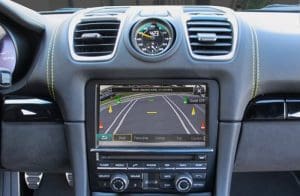 Many new cars and trucks come from the dealership with advanced collision avoidance technologies. The most basic is a rear-vision camera system or parking sensor system that can alert you to the presence of an object or person while maneuvering your vehicle. If your vehicle doesn’t have a backup camera or parking sensors, a system can be added quite easily.
2. Blind-spot Monitoring Systems
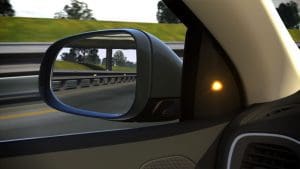 In the same vein as the parking sensors, an aftermarket blind-spot monitoring system will alert you to the presence of a vehicle or object beside or just behind yours. When an object enters this space, a small indicator will illuminate to alert you to an object in your blind spot. If you activate the turn signal, an audible warning will be produced to let you know that someone is there.
3. Heated Seat Systems
If your car, truck or SUV didn’t come with heated seats, don’t fret. High-quality seat heating elements can be added to most vehicles to make your trips a lot more comfortable when it’s cold out. If you have a bad back, a little extra warmth may the ticket to making your drive more comfortable. Most heated seat kits offer high and low settings, but you can often opt for systems with variable settings.
4. Upholstery Upgrades
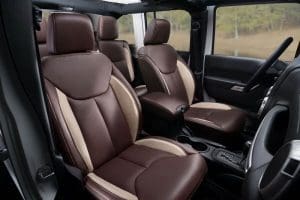 If you have an older vehicle or are interested in changing the look of your interior, your local mobile electronics specialist retailer can provide you with a complete custom interior. Companies like Katzkin, Leatherseats.com and Roadwire offer vehicle-specific seating upholstery in a variety of colors and patterns, including your choice of thread color. They can often embroider a logo into the upholstery if you wish. Many shops can also swap out the carpet in your vehicle with a new custom-molded piece in a variety of colors to complete the transformation.
5. Power Windows
Did you know that you can add power windows to a vehicle that has manual crank-style windows? There are two options to achieve this upgrade. Ideally, your local retailer can swap in a motorized window regulator (lift mechanism) that is a direct fit from the factory. This option won’t be cheap but it offers the best performance and longevity. If the cost or availability of the factory system rules out that option, companies like SPAL offer universal motorization kits that include control switches. Your shop can integrate your power windows (factory or aftermarket) into your remote starter, security system or keyless entry system to allow the windows (or even your sunroof) to be opened or closed remotely.
6. Fog and Auxiliary Lighting
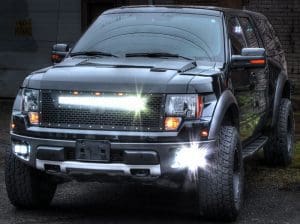 Who better to install aftermarket lighting than someone who specializes in automotive electrical systems? From a set of OEM-style fog or driving lights to high-power bumper or roof-mounted light bars, your local mobile electronics specialist can install and wire the system so it’s secure and reliable.
7. Emergency and Signal Lighting
If you have a work truck, talk to your local mobile electronics specialist about installing high-output emergency lighting. From beacons and light bars to surface-mount lighting, strobes, sirens and scene lighting, an automotive electrical expert is adept at integrating these systems into your vehicle safely and reliably.
8. Cruise Control
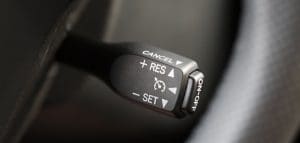 A variety of new vehicles are still available without cruise control. Whether you have a classic car with a carburetor, a new vehicle with drive-by-wire throttle or something in between, aftermarket cruise control solutions are available to make your next long-distance trip a lot more comfortable.
9. Truck Accessories
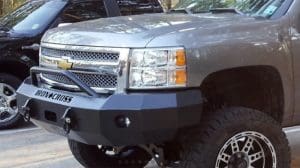 Are you in the market for a set of side-steps, a new toolbox for the truck bed, a new tonneau cover or an off-road-ready grille guard? Drop by your local mobile enhancement retailer. In addition to being experts at automotive electrical systems, most shops have the tools and experience required to install a variety of truck accessories.
10. Vehicle Tracking Systems
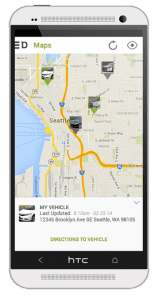 If you want to know where your vehicle or fleet of vehicles is at all times, a GPS-based tracking system is a perfect solution. These products can monitor a single vehicle and send you an alert when it moves, or they can log the location of dozens or hundreds of trucks, all at the same time. GPS tracking systems have been proven to cut down on wasted time and reduce the potential for accidents by altering driving behavior. Tracking systems are also available for powersports vehicles and construction equipment.
11. Power Trunk Release
Almost any car stereo shop can add an actuator to a cable-operated power trunk to integrate it into a keyless entry, remote start or security system. They can even add a switch to your dash, center console or glove box to pop the truck easily from inside the vehicle. Why stop with the trunk? How about a power fuel-filler door release?
12. Electrical Repairs
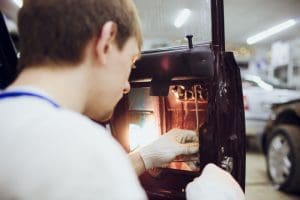 Do you have a power window that won’t roll down, a door that doesn’t lock when you press the button on your remote, or an intermittent instrument cluster? The advanced troubleshooting experience that most mobile electronics technicians possess far exceeds that of some dealership service centers. If there is something electrical or electronic not working on your vehicle, drop by and see if they can help.
13. Custom Fabrication Products
Not every fabrication project needs to be about an audio system. If you need a mobile office complete with 120 VAC outlets and mobile Internet in your SUV or van, that’s an easy task. What about building custom door panels and a center console for a custom or classic car restoration? Many mobile electronics shops around the country specialize in custom interior fabrication.
14. Radar Detector and Laser Countermeasure Systems
 If you live in a state or province that allows the use of radar detectors, the team at your local car stereo shop is far and away the best choice to integrate a premium system into your vehicle. Custom installed radar detectors and laser defense systems provide early warning against police radar and can delay laser measurement devices from obtaining a speed reading.
15. Detailing and Paint Protection
Are there scratches or swirl marks in your paint finish? Having your vehicle professionally detailed can make it genuinely look better than new. There are several premium paint protection products available that can help maintain the finish of your vehicle. Ceramic coatings and paint protection film will help keep your car, truck or SUV looking like new.
16. Window Tinting
 Having the windows of your vehicle tinted does a lot more than simply change the style of your vehicle. Window films block almost all of the ultraviolet energy from the sun to protect the occupants from accelerated skin aging. Premium films offer infrared rejection properties that help to keep the interior of your vehicle cooler. Window tint can also make your vehicle safer. If you get into an accident, the resulting tiny pieces of glass will remain adhered to the film rather than flying across the vehicle. Finally, window tint can help to reduce crimes of opportunity. If someone can’t see the contents of your vehicle, there is less reason for them to break in.
17. Wheel and Tire Upgrades
Many mobile enhancement retailers offer a variety of wheel and tire packages for cars, trucks and SUVs. In many cases, you can have the products you choose installed in a day or two. Nothing changes the styling of a vehicle more than a new set of wheels. Tires are the No. 1 safety item on your vehicle — they are the only thing keeping you connected to the road.
18. Premium Floor Mats
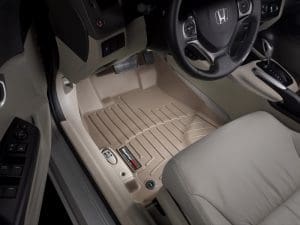 Many retailers offer automotive accessories like floor mats. One of the most popular brands in this category is WeatherTech. Their premium Floor Liner solution features a high-quality protective mat that is molded to the floor of your vehicle. The mat extends up the firewall and the center console to protect your carpet from damage, dirt and salt stains. WeatherTech also offers side window deflectors, mud flaps, bug deflectors and much more. Even if your local retailer doesn’t carry the WeatherTech brand, they should be able to source a solution to keep your vehicle looking great.
19. Boat, Motorcycle and Powersport Vehicle Audio Upgrades
Just because it’s called a car stereo shop doesn’t mean that its technicians aren’t adept at working on all sorts of mobile audio systems. Marine audio upgrades are a great way to make your time on the water even more enjoyable. Cruiser-class motorcycles are even more fun when you have an audio system that sounds great. If you want music on your side-by-side, ATV or even a snowmobile, they should be able to handle that as well.
20. Performance Parts
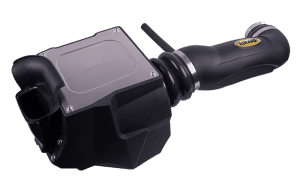 Are you looking for a set of lowering springs, a computer programmer or maybe a supercharger or turbo kit? Many mobile electronics retailers have technicians available to enhance the performance of your vehicle. A bolt-on exhaust, cold-air intake, high-flow air filter or throttle body spacer can provide your vehicle with a little extra power and may improve your gas mileage at the same time.
This article is written and produced by the team at www.BestCarAudio.com. Reproduction or use of any kind is prohibited without the express written permission of 1sixty8 media.
 When it comes to creating an audio system that sounds amazing, incorporating a digital signal processor into the system gives your installer the tools required to compensate for the majority of the limitations that vehicles impose. To maximize the benefit, a digital signal processor system design needs to take the features and benefits of a processor into consideration. In this article, we are going to explain some of the key differences between a system with and without a digital signal processor.
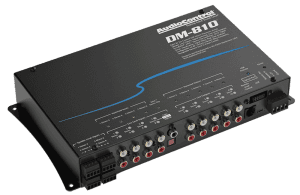 A digital signal processor, also called a DSP, is an audio processor that uses a microcomputer to make adjustments to a signal in the digital domain. In a stand-alone processor, the audio signal from the source unit is converted to a digital data stream using an analog-to-digital converter. Once in the digital domain, the processor can equalize, filter and even delay the signal. Most processors have six or more output channels to provide us with the ability to send different signals to dedicated amplifier channels. Each channel has a digital-to-analog converter that provides a conventional analog audio output.
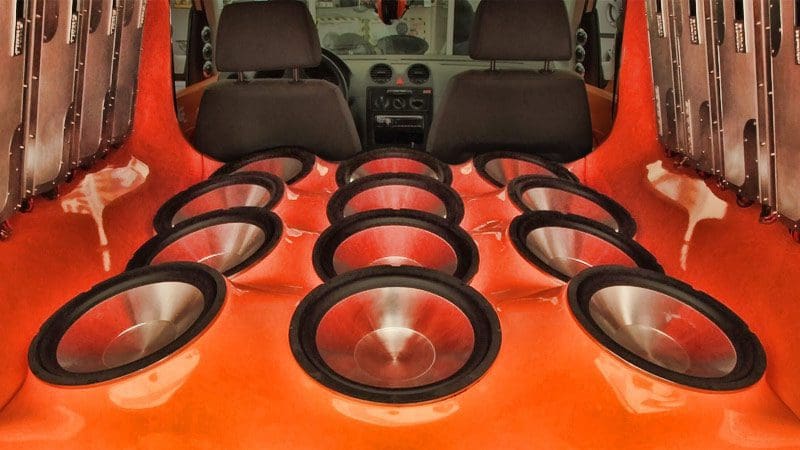 When you think of the stereotypical
 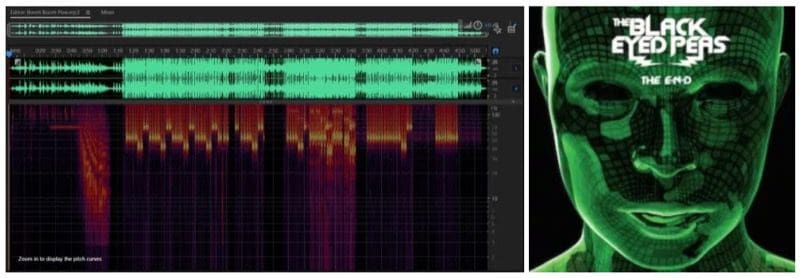 The monologue introduction to “Boom Boom Pow” by will.i.am builds to a crescendo from the 45-second mark, peaking with infrasonic information from :50 to 1:03. Content during this time extends solidly down to 7 Hz. There is another drop at 2:18, and the section from 3:13 to 3:42 contains a lot of infrasonic content. If your system is up to the challenge, this track has it all: a solid conventional bass line and enough content below 20Hz to make any true basshead happy!
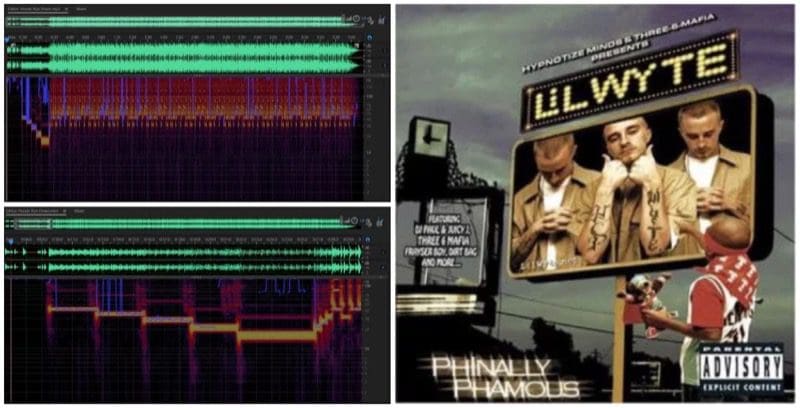 Often referred to as Bass Check, “Hoods Run Down” by Lil Wyte is a rap song that starts with an introduction and the DJ plays five sequentially lower tones. The first is centered at 41Hz, and most factory sound systems can handle this one with no problem. The second “beat” is at 35Hz, and you are going to need at least a small sub to catch this one. The third drop is centered around 27Hz and will tax premium factory systems and aftermarket systems tuned to boom rather than rumble. Now things are getting fun! The second-to-last tone is centered at 20Hz and is going to be a workout for most vented enclosures. Pay attention; speaker damage may ensue! The last beat is centered around 16Hz. You are going to need serious cone area and power to feel this one with any authority. The rest of the song continues with a standard bassline with information around 30Hz. A good workout for your stereo and a nice gentle massage for the ride home.
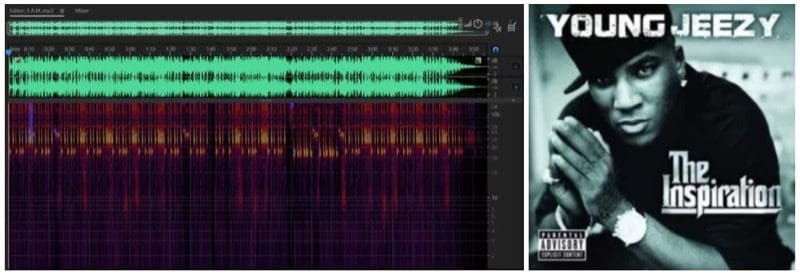 Another classic rap track, “3 A.M.” features a steady bass line that extends down to around 30Hz, giving almost any sound system a chance to sound great. Interspersed randomly through the track are bass drops down to the single digits. There is lots of 9Hz content at the :57 and 2:01 marks. These don’t last long, but they are reasonably loud. You’ll hear 10-cycle beats at 0:37, 1:03, 1:54, 2:45, 3:11 and 3:37. There is lots of 50Hz content during these drops, so it might be hard to pick them out, but they are there.
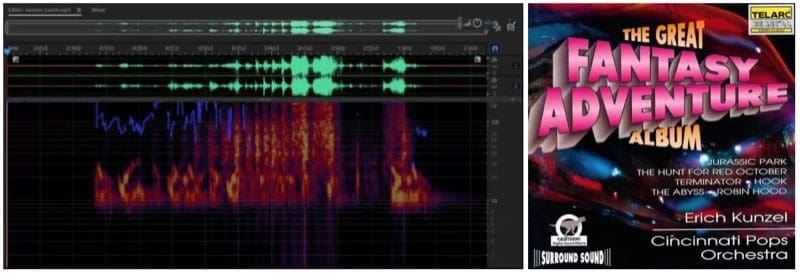 This is more of a demo track than a song. Included on The Great Fantasy Adventure Album with main title themes from movies like Terminator 2, Clash of the Titans, Total Recall and The Abyss, “Jurassic Lunch” is a short 1:11 track at the end of the album. The track starts with birds chirping in the jungle. At the 13-second mark, a series of pulsations centered at 12Hz and 24Hz start. These continue to the 29-second mark, where harmonics are included that provide content above 30 cycles. It’s only then that you realize you are hearing the footsteps of the Tyrannosaurus rex stomping through the Jungle. Around the 39-second mark, you start to hear tree branches breaking with each step, and then at the 45-second mark, the roar of the Rex overpowers the track as he devours his prey. Of course, Kunzel included lots of bone-cracking and crunching around the 51-second mark. The Rex savors his meal from the 51- to 56-second mark, where he rewards himself with a giant burp that peaks with information down to 10Hz at the 59-second mark. This track serves as an awesome demonstration of a true subwoofer system.
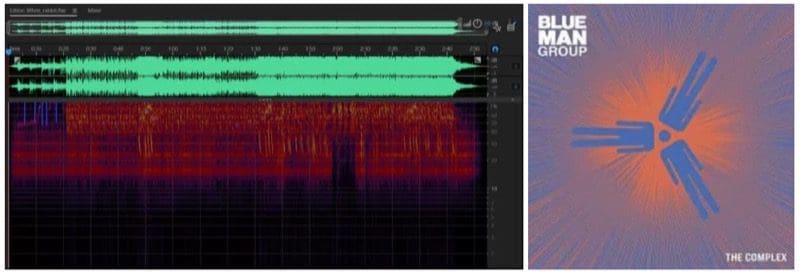 This remake of “White Rabbit” by Jefferson Airplane features the required tuned PVC tubing percussion that has made Blue Man Group so unique. Though this track doesn’t share the intense infrasonic peaks of our other suggestions, it maintains an impressive level of 15-cycle content throughout the almost three-minute-long track. There is very evenly dispersed mid-bass energy in this track as well — a great challenge for your door speakers.
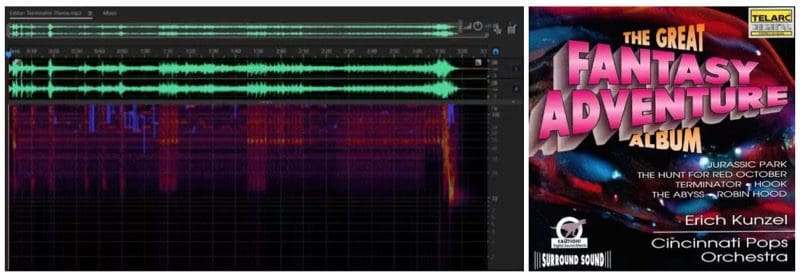 Another fun track from The Great Fantasy Adventure Album is the Terminator theme. This haunting track is full of special effects and mechanical sounds that remind listeners of the end scene of Terminator 2 as the machine slowly lowers himself into the mass of molten steel in the refinery. While most of the percussion comes from kettle drums in the 47-48 Hz range, the closing of the track features an explosion that starts at the 3:11 mark and peaks with 11Hz information from 3:14 to 3:16. A fitting ending to a great track.
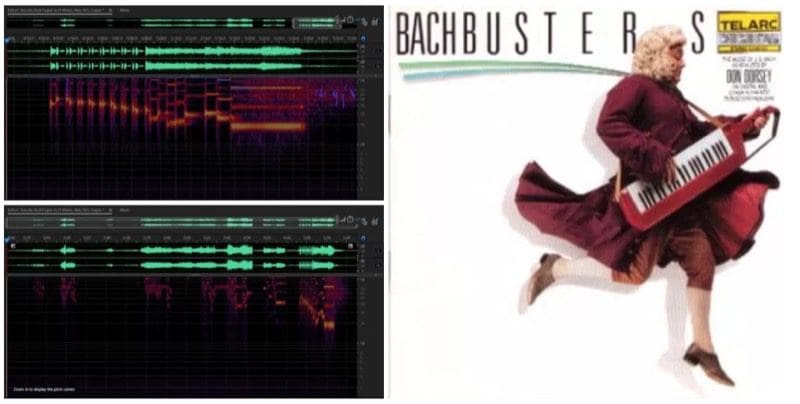 This track goes back, waaaay back! Scholars think that Bach wrote this classic piece of organ music between 1704 and 1750 (when he died). Even those who don’t listen to classical music recognize this track. Don Dorsey released Bachbusters, a synthesizer-based take on some of Johann Sebastian Bach’s greatest pieces, in 1985. The album took first place on the Billboard classical music chart and has been popular with car audio enthusiasts ever since.
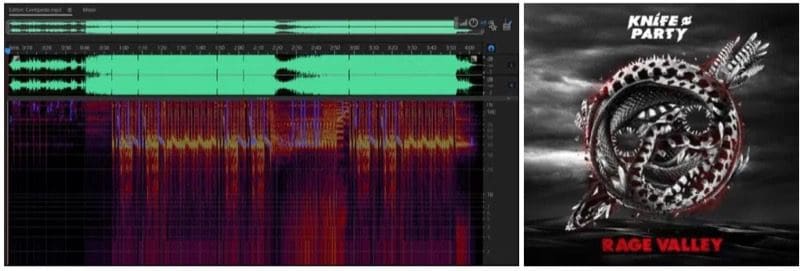 There had to be some dubstep in this list somewhere, right? “Centipede” is a somewhat creepy track that is full of fun bass. While the focus of the bass line is around 40Hz, the track contains content with good output levels down to the 10Hz range. While we doubt most clubs could reproduce this infrasonic information with serious output levels, the sensation of listening to this in a well-designed mobile audio system would be fantastic. It’s also really loud: The VU meters remain pinned at the 0dB mark for the majority of the track.
 Another all-time-classic classical recording is Tchaikovsky’s 1812 Overture. This recording is known for its jaw-dropping cannon blasts at the end. When played back on a vinyl record, all but the very best turntable configurations will result in the needle jumping out of the track as the cannons go off. The first five cannon blasts appear at 12:36 into the track. The second and most impressive group begins at 14:41, with the blast at 14:55 containing low-frequency energy that extends down to nearly DC levels. Call it one to two Hertz if you want – it makes no difference.
 “Purple Lamborghini” won a Grammy Award for Best Song Written for Visual Media. This rap track contains a bass line that is centered around 38Hz for the majority of the track. But the fun doesn’t stop there: Four times in the track, the bass sweeps from 50 down to 22Hz with impressive output. The video features Rick Ross, Skrillex and none other than Jared Leto in full Joker garb.
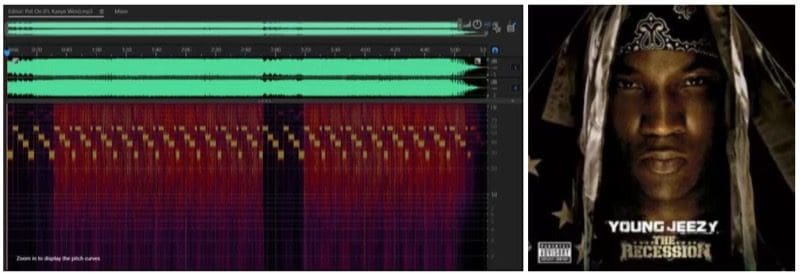 “Put On” makes our list with what we’ll call an honorable mention. The track doesn’t dig hard into the infrasonic region but contains four drops that repeat through the entire track. The first is up at 55Hz and is classic rap music bass. The second is at 44Hz and the third is at 36Hz, giving your body a nice massage. The last is centered around 27Hz and will give your subwoofers a good workout. We included this track because the 27Hz bass line appears no less than 22 times in this 5:21-second track.
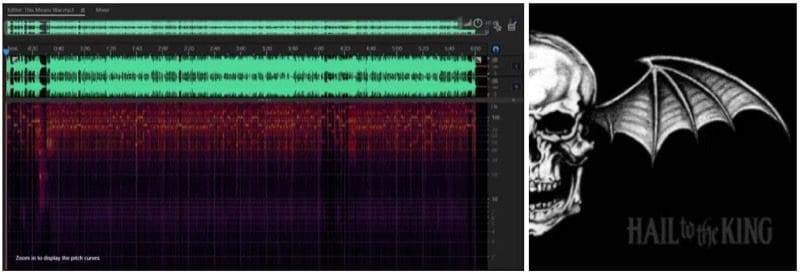 The second of our three Honorable Mention tracks is “This Means War” by Avenged Sevenfold. This rock track opens with well-recorded percussion and guitar. At the 25-second mark, there is a rumble of thunder with great content down to 20 Hz that slowly fades to the 30-second mark. The remainder of the track only gets down to about 40Hz, but the kick drum is well-recorded and the entire track is well worth listening to.
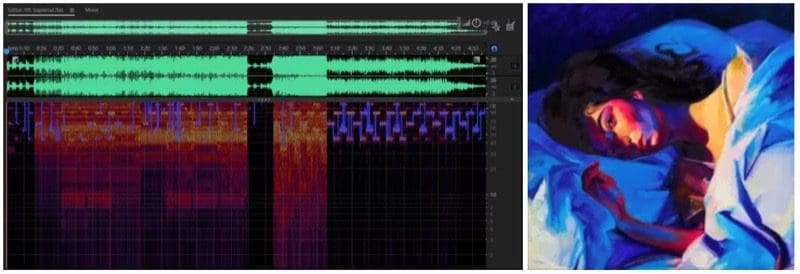 Another honorable mention is Lorde’s “Supercut.” Though the main bass line remains focused between 40 and 60 Hz for the majority of the track, the section of the song from 2:34 to 3:05 has a surprising amount of information that extends down to 10 cycles at a moderate level.
 Winning our “what the heck is that doing there?” award is “Supermarket Flowers” by Ed Sheeran. This track features Sheeran accompanied by a piano for the majority of the track. At the 2:08 mark, a synthesizer comes in to add some a gentle bass line to the track. The lowest notes are 28Hz at the 2:32 mark. While not the infrasonic content we were searching for, this remains a nice surprise in what would be described as a nice song.
 Beyond the features and design of a subwoofer, no single factor affects the performance of a subwoofer system more than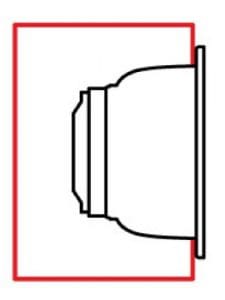
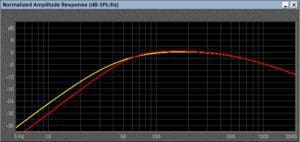 As you can see, above 60Hz, the smaller enclosure is a little bit louder but remains within a decibel or two. Below 50Hz is where things start to vary more. The larger enclosure is 2.15 dB louder at 35Hz and 3.35 dB louder at 25 Hz. While it might not appear dramatic, 3dB is the equivalent of having twice as much power driving the subwoofer. However, this increase in efficiency comes with no thermal power handling penalty.
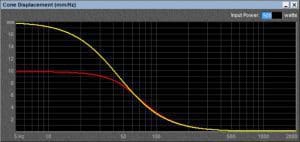 Once again, above 60Hz, there is minimal difference in the excursion between the two drivers. Below that, the larger volume of air in the big enclosure has less effect on the stiffness of the subwoofer system. The result is the subwoofer moves farther for each watt of power. If you compare the excursion graph to the frequency response graph, the efficiency levels are directly correlated.
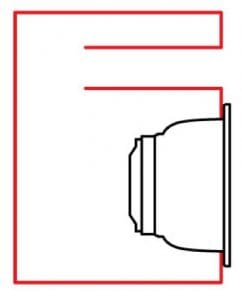 The second popular option for a subwoofer enclosure is a
 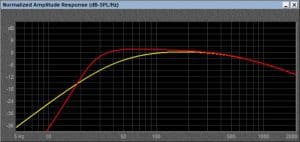 Now, while most vented enclosures are larger than their sealed brethren, the benefit is often an increase in output that is potentially more than having two subs in a sealed design. In fact, this vented design is louder from 20 to 60Hz than three identical subs in an enclosure that is 50% larger (1.8 cubic feet).
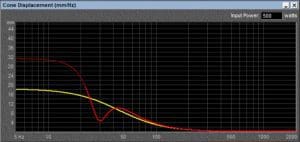 This reduction in cone excursion increases physical power handling and also reduces distortion – as long as you have designed and constructed the vent properly. Vents need to have a large enough area so that air velocity in the vent is kept to a minimum. The mouth of the vent also needs to have a large radius
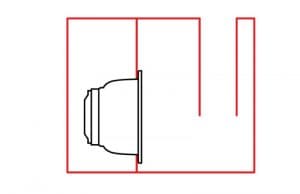 Bandpass enclosures are called that because they not only act as a high-pass filter but as a low-pass filter as well. A typical bandpass enclosure features two chambers. The woofer is mounted between these chambers. In a single-tuned enclosure (often referred to as a fourth-order bandpass or single- reflex bandpass), one of the chambers includes a vent from which all the sound is created. A benefit of this design is the ability to feed that vent through an opening in a rear parcel shelf or similar to ensure coupling with the interior of the vehicle.
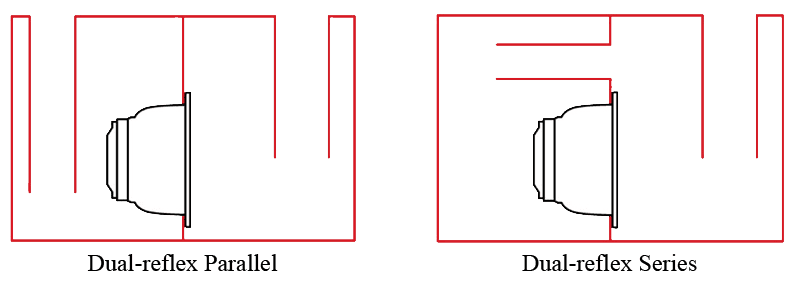 The second bandpass enclosure design is a Double-tuned design where both the front and rear chambers are vented. In a Series-tuned bandpass enclosure, the large rear chamber vent feeds into the front chamber. In a parallel-tuned design, the vents from each chamber feed directly into the listening area. Double-tuned bandpass designs are often referred to a sixth-order or dual-reflex designs.
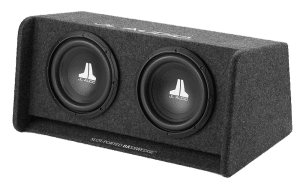 A quick note on “basic” subwoofer systems. Over the years, we’ve seen a LOT of retailers offer “bass packages” that include a sub, amplifier, enclosure and often a wiring kit. In the majority of these packages, the retailer has paired an inexpensive sub with an inexpensive amp and a sealed subwoofer enclosure to minimize the total cost of the system. When you are limited in
  No single upgrade to an audio system offers a larger improvement in sound quality than the addition of a
 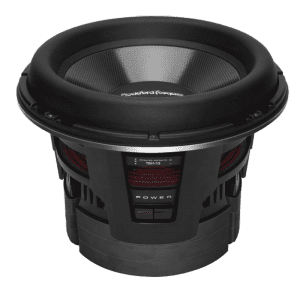 In the simplest of terms, a subwoofer is a large speaker designed to play frequencies below 100 Hz at relatively high output levels. Subwoofers are most commonly available in 10- and 12-inch sizes, but 6.5-, 8-, 13.5- and 15-inch subs are also readily available.
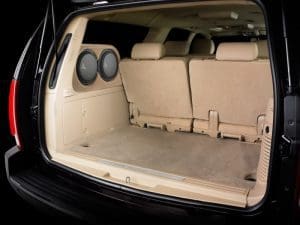 Picking “enough” subwoofer depends on several factors. How loud is loud enough? How much space can you afford to give the subwoofer system? How powerful of an amplifier can your vehicle’s electrical system support? It can be difficult to choose the right sub based on these criteria, especially since different vehicles offer different amounts of cabin gain. Would a single 10-inch sub in a sealed enclosure in the back of a Honda Fit be a suitable solution in a Cadillac Escalade or short-cab Ford F-150?
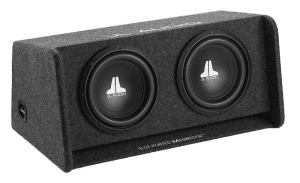 The next step is to decide
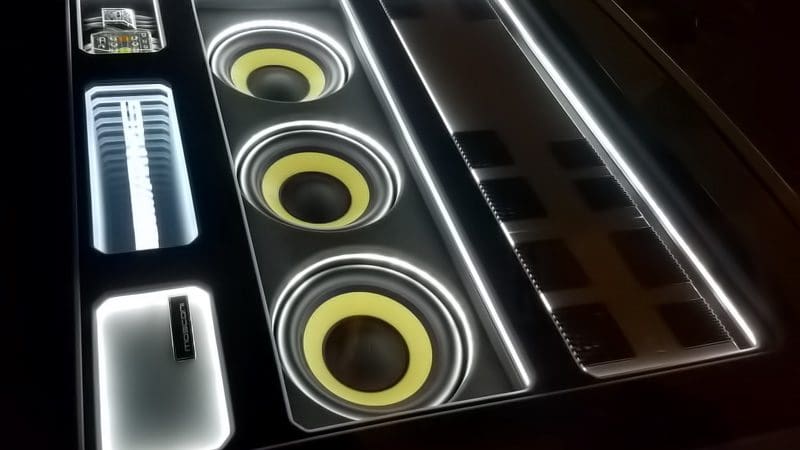
 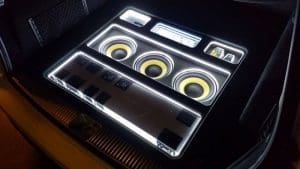 If you want something truly unique, then ask about including LED lighting in the enclosure. You can choose to have a Lexan or Plexiglas window added and illuminate the interior of the enclosure or add acrylic plastic accent pieces that light up. Upgrades at this level are often combined with enclosures finished with multiple materials – different colors of vinyl can provide amazing cosmetics.
 The next step, beyond a simple wooden
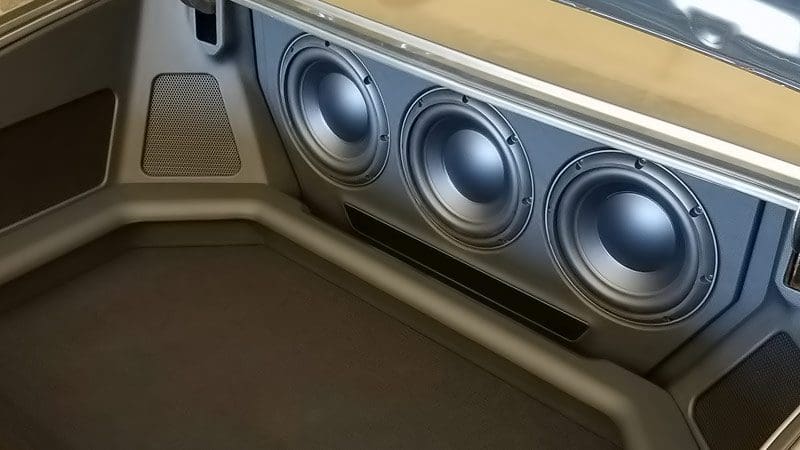
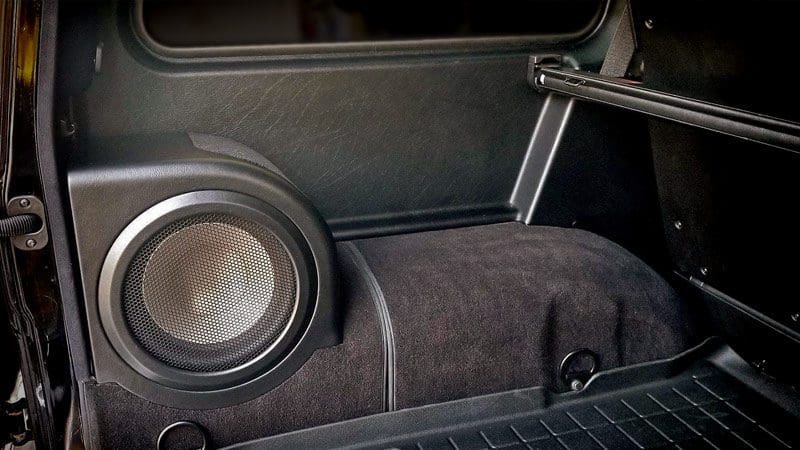
 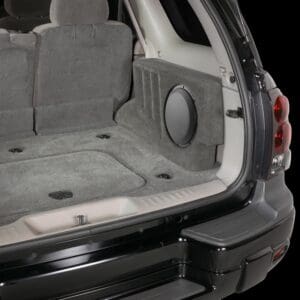 Companies like JL Audio, MTX and Kicker offer subwoofer systems designed for specific models of vehicles. These enclosures are designed to offer impressive performance while minimizing how much space they use. Some companies construct these enclosures from fiberglass in large molds, while others use thick plastics. In most cases, while these enclosures are visible once installed, they are available in materials that match the color of the vehicle interior. An application-specific enclosure is a great way to add amazing bass to a vehicle quickly and efficiently.
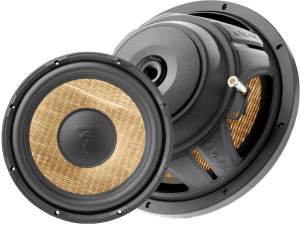 You’ll note that we haven’t discussed the specific features of subwoofers that differentiate one from another. This omission is quite deliberate because we will dedicate an entire article to that topic. In the meantime, it is worth discussing the difference between a conventional subwoofer and a shallow-mount design.